Our Story
A word for carving
Kaetara (kay-TAR-a), from the Sinhala , the art of ornamental carving.
I, The Tradition
Embekke, and everything after
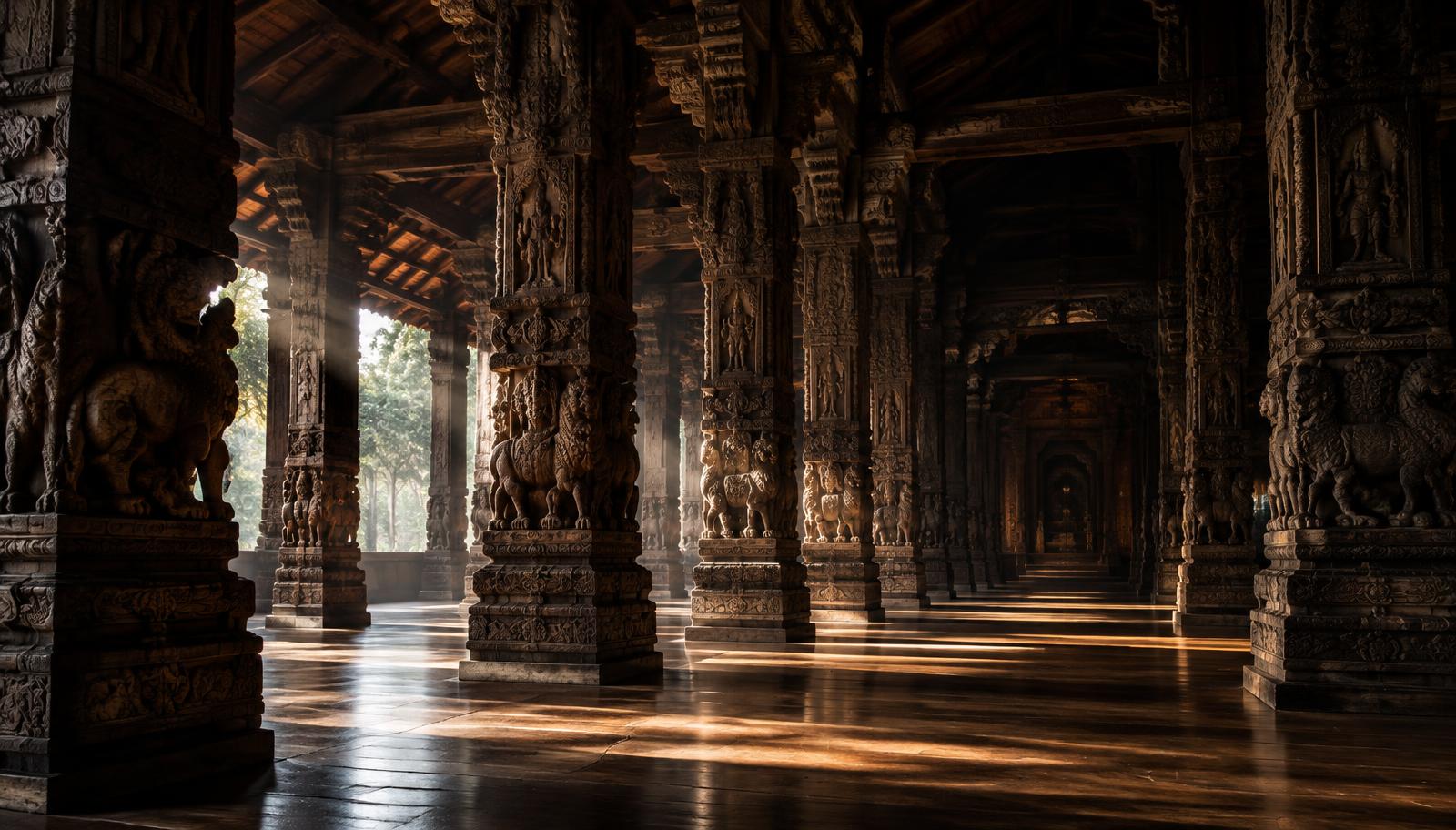
In the fourteenth century, in the hills near Kandy, carvers raised a drumming hall on wooden pillars and covered every surface with work: swans with knotted necks, wrestlers, dancers, lotus, a double-headed eagle. The Embekke Devalaya still stands, and its panels are still studied.
What became known as Kandyan carving was never written down as a set of rules. It was passed from parent to child at the bench, a way of drawing the vine, of setting a inside a border, of cutting so that the shadow does half the work.
“The wood remembers every cut. So you do not make careless ones.”
A carving family saying
II, Why We Exist
Keep the craft alive
The carving villages are getting quieter. Young people leave for work that pays reliably, and a skill that took a family generations to hold can disappear in one.
Kaetara exists to give that skill a steady market abroad, at prices that honour the weeks inside each piece. Artisans set their price for their work. We pay it in full, and we pay it on time.
III, How We Work
Directly, and legally
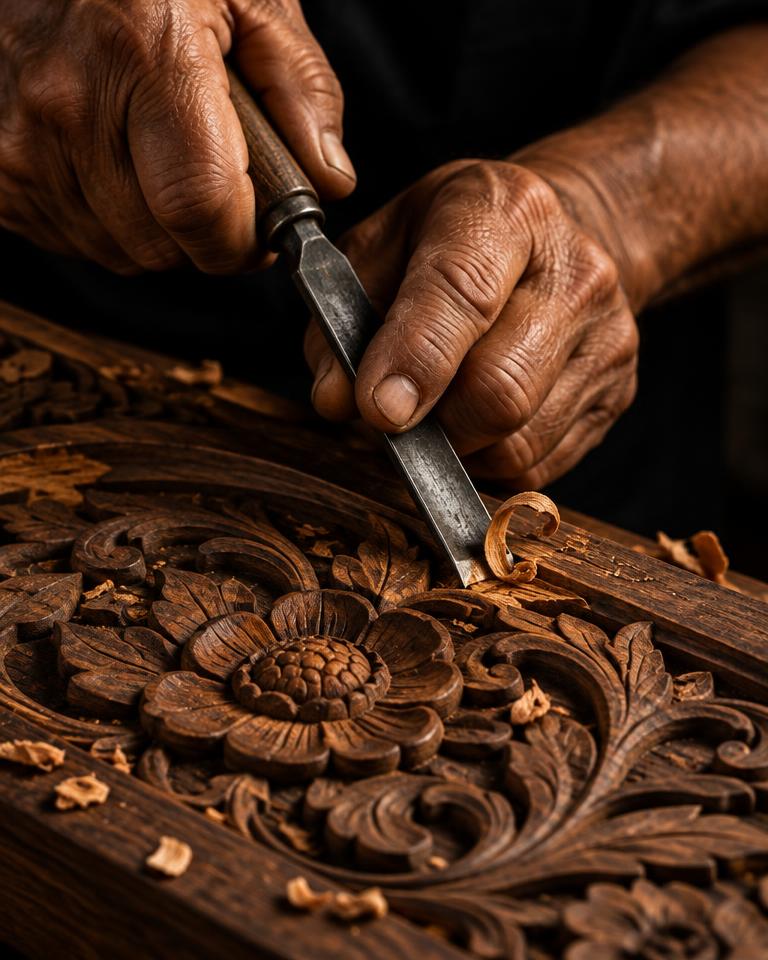
We work directly with carving families, without middlemen or factories. Every piece is carved by one maker, signed, and documented with their name, village and the time it took.
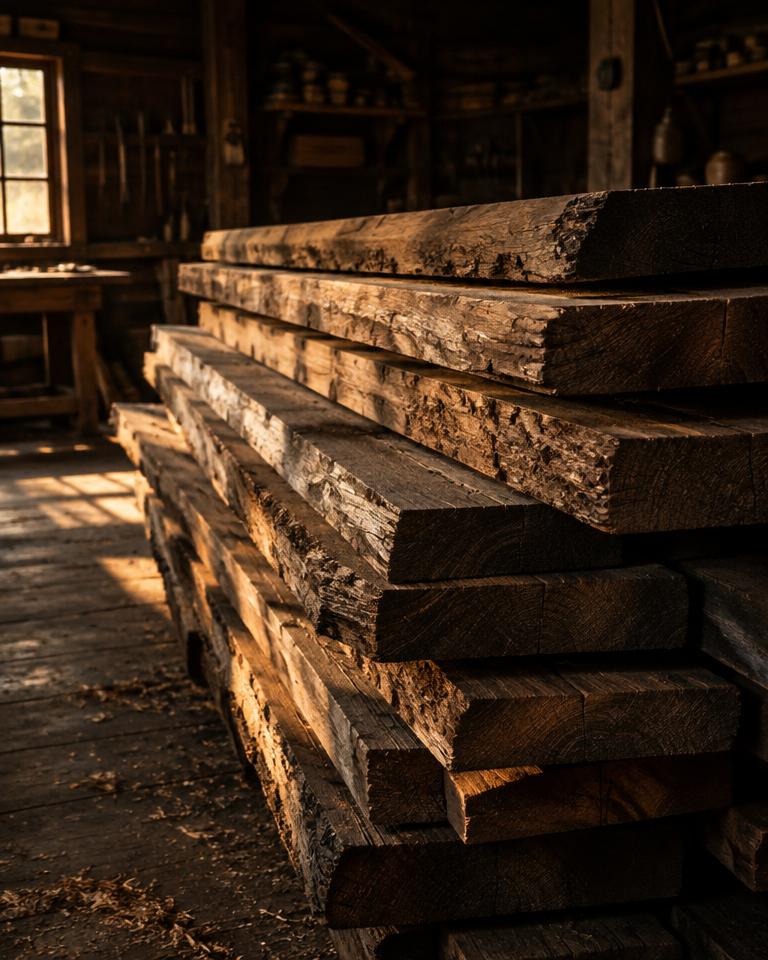
Our timber is responsibly sourced Sri Lankan hardwood, bought with the permits required, and every piece leaves the country with the export documents the law asks for. You will never need to wonder where your piece came from.
“Made by one pair of hands, paid for fairly, and made to outlast us all.”
Our Promise
IV, Our Promise
What you can expect
Every Kaetara piece is hand-carved, never machine-routed. Every piece is signed and documented. Every artisan is paid fairly for their work. And every piece is made to be lived with for a lifetime, then handed on.
Glossary
A Small Glossary
- liyapatha
- ලියපතlee-yah-pah-thah
- the flowing vine scroll of Sri Lankan temple carving, a sign of abundance and continuity
- hansa
- හංසhun-sah
- the sacred goose, a symbol of purity and grace
- nelum
- නෙළුම්neh-lum
- the lotus, rising clean from still water, a symbol of awakening
- naga
- නාගnah-gah
- the serpent guardian, protector of thresholds
- raksha
- රාක්ෂrahk-shah
- a demon figure from southern masked dance dramas, carved to ward off harm
- kolam
- කෝලම්koh-lum
- a traditional masked folk drama of southern Sri Lanka
- kætayam
- කැටයම්keh-tah-yum
- the Sinhala word for ornamental carving, and the root of the name Kaetara
- kohomba
- කොහොඹkoh-hom-bah
- the neem tree, a light, fine-grained timber favoured for masks